Patterns
A First Look at the Design
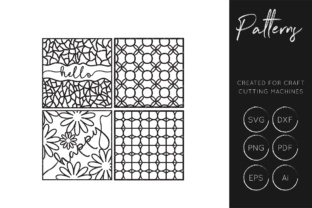
When I first opened the Patterns file, I was struck by its clean, modern aesthetic. The design feels intentionally crafted for a specific purpose—something that can transition seamlessly from a personal project to a small business product. It’s not overly complex, but it carries enough detail to make a statement without overwhelming the fabric.
The Mood and Visual Personality
Patterns exudes a quiet elegance. The layout is balanced, with a subtle sense of rhythm that makes it feel approachable yet refined. There's a softness in the lines that suggests it could work well on delicate fabrics or as part of a more whimsical handmade product. It doesn’t shout for attention—it invites you to look closer.
The design has a versatile visual personality, making it suitable for both minimalist and decorative applications. Whether it's a custom apparel piece or a personalized gift, Patterns has the potential to elevate the final product with just the right amount of character.
From Tote Bags to Sweatshirts
I imagine using Patterns on a sweatshirt embroidery for a local boutique. The design would look great on a light-colored tee, adding a touch of sophistication without being too bold. It could also work well on a tote bag design, where the larger surface area allows the pattern to breathe and stand out.
For a holiday embroidery project, Patterns could be adapted into a festive variation, like adding snowflakes or stars. It’s a design that can evolve with the season, which is a big plus for craft businesses looking to keep their offerings fresh year-round.
Baby Embroidery and Personalized Gifts
On a baby embroidery project, Patterns might need some scaling down to fit the smaller size of a onesie or bib. But even then, the design retains its charm. It’s subtle enough to feel gentle and safe for young children, while still offering enough detail to make the item feel special.
As a personalized gift, Patterns has the potential to create something meaningful. Imagine an embroidered patch featuring the design on a custom-made cap or a handmade product like a pillow cover or tea towel. The design adds value without being too flashy, making it ideal for those who appreciate understated elegance.
Where to Be Careful
While Patterns is versatile, there are a few scenarios where it may require extra attention. For instance, using it on small hoop sizes could lead to distortion, especially if the design includes intricate details. Similarly, on textured fabrics or thin fabric, the stitching might not lie flat, affecting the overall appearance.
Dark fabrics can also pose a challenge. Without proper thread color contrast, the design may become lost in the background. Testing the design on a black and white mockup before committing to a full project is always a good idea. Additionally, stretchy fabric requires careful handling to prevent puckering or misalignment.
Stitching Clarity and Density
The stitch density in Patterns seems well-balanced. It’s not too dense to cause strain on the machine, nor too sparse to appear unfinished. This makes it a great choice for commercial embroidery projects where consistency and reliability are key.
However, when working with layered garments or curved surfaces like caps, it’s important to ensure that the design is properly stabilized. Using the right stabilizer can make all the difference in how the final product looks and feels.
Visual Appeal and Product Value
Patterns contributes positively to the visual appeal of any project it’s used on. Its clean lines and thoughtful composition give the finished product a professional edge, which is especially valuable for Etsy sellers and small shop products.
From a brand consistency perspective, Patterns offers a reliable foundation for creating a cohesive line of digital embroidery files. It’s a design that can be easily adapted into various formats, making it a strong asset for craft business owners looking to expand their offerings.
Customer Trust and Handmade Presentation
Using Patterns in your projects can help build customer trust, especially if you’re selling finished products or design assets. A well-executed design speaks volumes about the quality of your work, which is essential for maintaining a positive reputation in the craft community.
When presenting handmade products, Patterns provides a nice balance between simplicity and style. It’s a design that feels intentional and well-crafted, which enhances the giftability of the final item.
Final Thoughts and Recommendations
Before using Patterns in a real project, I recommend testing it on scrap fabric to ensure it performs as expected. Check the stitch density, confirm the hoop size, and consider how the design will look on different fabric textures.
Also, make sure to review the license terms if you plan to sell finished items or digital products. While Patterns is a promising design, understanding its usage rights is crucial for avoiding any legal issues.
In summary, Patterns is a versatile and well-designed machine embroidery design that can serve a wide range of purposes—from custom apparel to personalized gifts. With the right care and attention, it can become a valuable addition to your creative toolkit.